
About Falcon
About Falcon and Representative Eric Tsai
We don't package our capabilities in vague terms like "professional team" or unsubstantiated numbers. Website, AI system, and search growth work are handled by named individuals who are responsible for needs, architecture, implementation, deployment, and measurement.
Responsible for developing and deploying independent websites, AI applications, enterprise systems, and mobile products, including requirements, architecture, implementation, deployment, and ongoing maintenance.
The public portfolio covers e-commerce, corporate websites, AI phone and dispatch systems, LINE appointments, academic submissions, enterprise backends and mobile apps. The existing resume records 20+ production projects. That is a project count, not 20 clients, and it is not used to infer customer satisfaction.
The fundamental principles of SEO/GEO are equally straightforward: first, ensure that your content is easily crawlable, indexable, and measurable, then build content using real-world examples, author expertise, and firsthand experience. Without original data, we cannot guarantee rankings, traffic, or the timing of AI citations.
Working Methods
Define results first
Clearly state the inquiry process, timeline, error rate, or performance indicators to avoid simply delivering a finished product.
Maintain data ownership
Confirm source code, accounts, and data ownership before starting a project, without tying clients to a platform.
Fully disclose limitations
Clearly differentiate between product goals, lab measurements, and real-world operational results, and avoid conflating the three.
Actual Scope of Responsibility
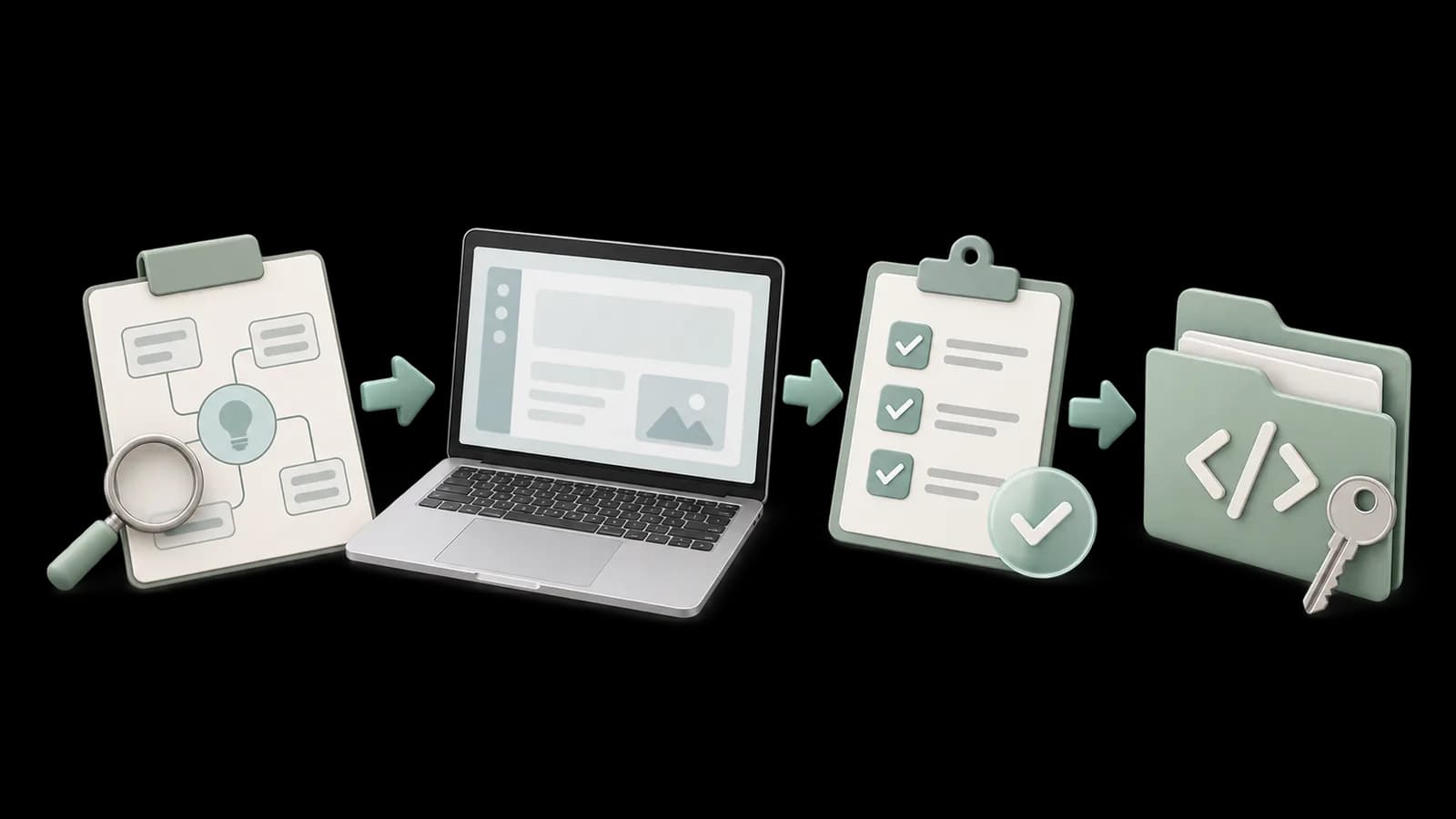
Falcon takes on projects that require clarifying processes, integrating systems, and ongoing validation, rather than treating requirements gathering, development, content searching, and deployment metrics as isolated, opaque "black boxes." The team size for each project will be determined based on its scale, but external content and delivery boundaries are confirmed by designated individuals.
Needs and Architecture
Confirm user requirements, data flow, permissions, exceptions, and acceptance criteria before making technical decisions.
Website and System Implementation
Covers front-end, API, database, deployment, and necessary third-party integrations.
AI Workflow
Incorporate models into verifiable fields, rules, and business system actions, as well as manual handover processes.
SEO/GEO
Handle data extraction, indexing, content evidence, author attribution, internal linking, and measurement conversion.
Define acceptable and unacceptable conditions
Clearly state unacceptable situations before signing, rather than maintaining expectations with vague language after signing. The following is a range assessment, which does not imply conclusions about the size or industry value of the client. If the budget and requirements are not aligned, prioritize reducing the scope of the first phase, rather than pretending that all features can be implemented.
Suitable for collaboration
- ✓Willing to provide necessary materials such as company information, processes, products, or case studies.
- ✓Accept defining the scope, acceptance criteria, and data responsibility before starting development.
- ✓Requires customized processes, integration with existing systems, or a website that can be sustainably maintained.
- ✓Willing to use realistic benchmarks and measurement results, without requiring guarantees of rankings or revenue.
Not accepting or requires adjustment
- Gambling, direct marketing, or financial products that have not been approved by regulatory authorities.
- Requires guarantees of search rankings, ROAS, AI citations, or fixed business results.
- Requires the generation of search pages and fake case studies without original data.
- Refuses to confirm data permissions, customer consent, limitations, and error handling responsibilities.
How to start a collaboration?
In the first discussion, confirm the problem, current situation, users, necessary integrations, and unacceptable failures. Then, decide whether to proceed with a discovery, POC, or formal implementation. The quote will list deliverables, third-party costs, acceptance criteria, and the scope not included, as well as ongoing maintenance. If existing data is insufficient to support SEO or case studies, supplement the data first, rather than filling the pages with imaginary numbers.
Evidence and Disclosure Principles
The "Case Studies" section currently only uses publicly available technical information from the website. If a client does not provide publicly available GA4, GSC, revenue, or hours data, only the system's capabilities are stated, and no claims are made regarding business growth.