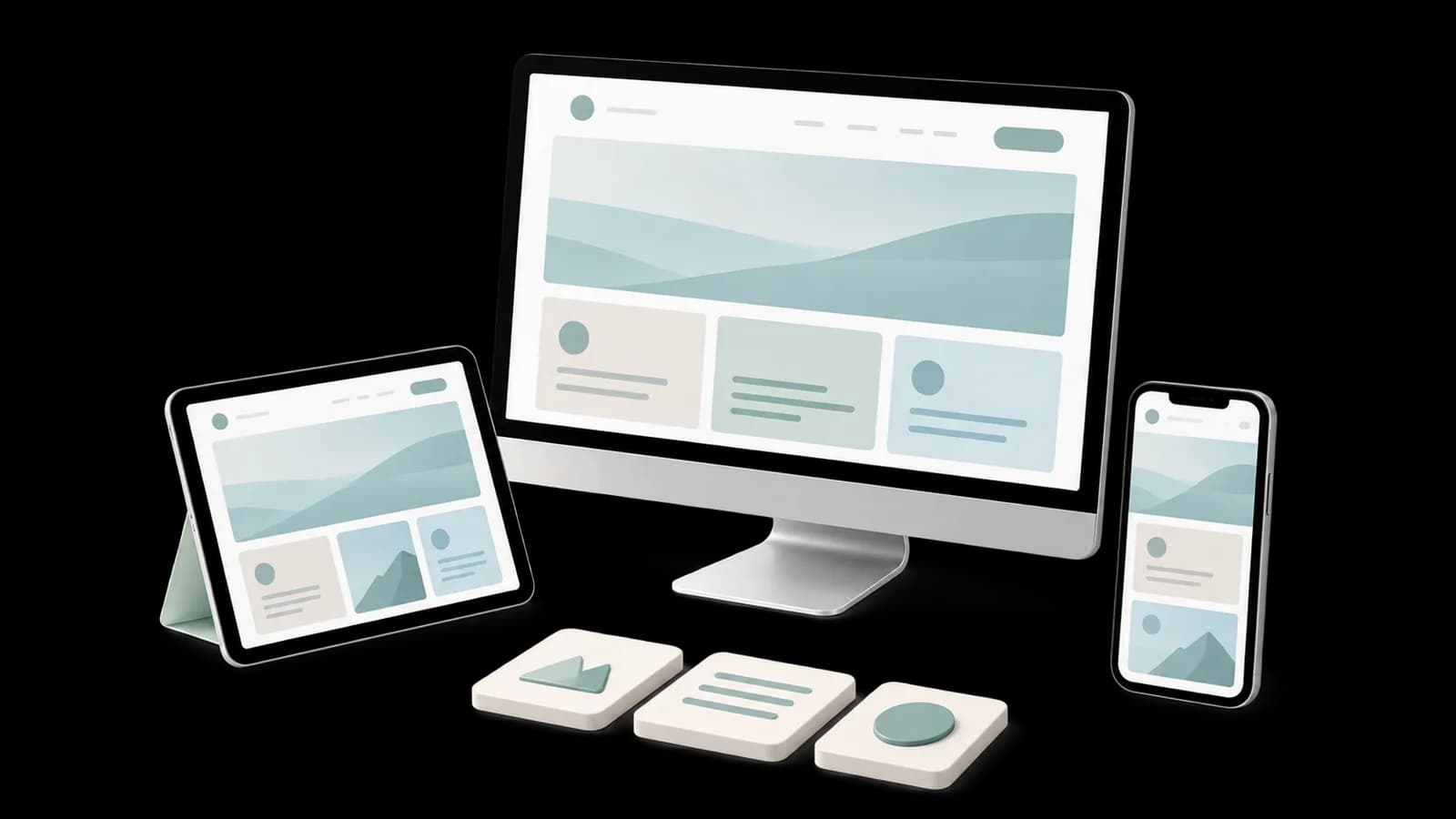
Falcon uses Next.js + React modern technology stack to create customized websites. We don't handle template-based websites – if your budget only allows for self-built websites using templates, we're not the right choice. However, if you need a website that can be long-term managed, SEO-friendly, and easily expanded or transferred to another vendor, please continue reading. Our principle is simple: we provide you with complete source code and do not engage in data hoarding.
Permanent after-sales warranty (minor modifications are not charged extra)
Website speed is not just a technical issue, it's a business issue
"A slightly slower website doesn't matter?" It does. Each extra second of loading time increases the bounce rate and the likelihood of users abandoning the site. This directly impacts e-commerce sales and can deter potential customers from even seeing your site. Google also considers page load speed (Core Web Vitals) as a ranking factor, meaning a slow website has fewer opportunities to be seen. That's why we insist on using modern frameworks like Next.js, treating performance as a default rather than an afterthought. We incorporate server-side rendering, image compression, and caching during development. Many low-cost template websites suffer from issues that aren't immediately apparent, such as slow speeds caused by unnecessary plugins and bloated code. These are difficult to fix later on.
Our perspective: A website is an asset, not a one-time expense
Cheap template websites are expensive in the long run – your data is tied to the platform, adding new features can be difficult, and changing the design requires a monthly fee. Our approach is to view a website as an "asset." It needs to be able to: be modified by you, be found by Google and AI search engines, and be easily transferred or maintained if you choose to switch vendors or manage it yourself. When we deliver, we provide the source code, design files, and backend accounts. While customizing may be more expensive than using a template in the short term, the savings in binding costs and rework over three years often outweigh the initial investment.
When calculating the cost of a website, consider a three-year period, not just the initial setup fee
The development fee on a quotation covers only part of the first year’s cost. A website’s total ownership cost also includes annual domain registration, hosting, SSL certificates, content updates and necessary maintenance. We recommend considering development cost + annual operating cost × 3 years. Some plans are cheap initially but charge separately for features or lock you into expensive monthly fees, making the three-year total higher. We explain pricing and deliverables upfront: you receive the source code and administration system, hosting and domains can be registered in your name, and you can maintain the site yourself or engage us. Costs depend on specifications and traffic, but you can estimate the three-year budget without unexpected charges after a low introductory price.
Actual projects
We don't rely on adjectives to convince you; instead, see the websites we've built: Hualien Taxi Dispatch Platform (hualientaxi.taxi, including AI call handling and backend dispatch), ESCROWA Global Game Trading Platform (escrowa.com.tw, bilingual CMS), Honwei Commercial Real Estate Website + CMS (allenlo.com.tw), CosmosWork Case Matching Platform (falcontaskbridge.com), invisible care Home Cleaning Brand Website + CMS (needfix.com.tw). More case studies can be found in the "Portfolio" section on the homepage.
Falcon Website Development Process
This outlines the actual steps we take when undertaking a website project, from initial consultation to final delivery.
1
Requirements Gathering
The first step is to clearly define what the website should achieve – whether it's for order processing, appointment booking, branding, or reducing manual labor – and to establish the scope of features.
2
Design and Confirmation
Based on the requirements, we create design mockups and visual concepts, and then confirm the direction with you before proceeding with development, to avoid the problem of realizing half the project only to find the direction is wrong.
3
Development and Integration
We handle both front-end and back-end development, integrate systems such as payment gateways, member management, and CMS, and build a back-end that allows you to easily update content.
4
Testing and Launch
After thorough testing across different devices and basic performance and SEO checks, we launch the website and set up structured data and basic tracking.
5
Delivery and Training
We deliver the source code, design files, and back-end account, and provide training on how to use the system, allowing you to maintain the content yourself in the future.
Website Development and Software Development — Transparent Pricing
All packages include complete service content, with no hidden fees.
Corporate website
TWD 20,000 /Project start
Suitable for:Corporate website, professional services, and personal branding
Custom design for 5–10
Responsive interface
CMS backend
Basic SEO implementation
Contact Form
E-commerce platform
TWD 45,000 /Project start
Suitable for:E-commerce and D2C
Products and shopping cart
Member and order backend
Payment gateway integration
Logistics integration
Basic SEO implementation
Customized system
TWD 75,000 /Project start
Suitable for:Internal Company Systems, SaaS, and Complex Processes
Requirements and data modeling
Custom process
API and Third-Party Integration
Testing and Deployment
Source Code Delivery
Frequently Asked Questions
How much does a website cost?
Requirements can vary substantially: corporate websites cost TWD 20,000–37,500; e-commerce platforms TWD 45,000–125,000; and custom systems (CMS/ERP) TWD 75,000–250,000 or more. We recommend an initial consultation, followed by a quote based on the complexity of your needs.
How long does it take to build a website?
Company website: 4–6 (weeks); E-commerce platform: 8–12 (weeks); Complex systems: 3–6 (months). The actual timeline depends on the complexity of the requirements and the speed of feedback from both parties.
Can I edit the content on the website after it's launched?
Yes. We provide a CMS back-end that allows you to edit text, images, and add new pages, without requiring any programming knowledge. We also provide training on how to use the system.
Who owns the website?
The website is fully owned by the client. We deliver the source code, design files, and CMS account. You will have no issues transferring to a different vendor or maintaining it yourself in the future.
What is the scope of the after-sales warranty?
Permanent after-sales support: Bug fixes and minor text/image updates are free. Larger feature expansions will be quoted separately.
Is an SSL certificate (HTTPS) required for the website? Does it cost extra?
Yes, browsers will mark websites without HTTPS as "insecure," which also affects SEO. Fortunately, most image-based websites can use the free Let's Encrypt certificate, which we will install and automatically renew for you upon delivery, at no extra cost. We only recommend upgrading to paid OV/EV certificates in special situations (such as financial institutions or large e-commerce businesses that require enterprise validation), and we will clearly explain the differences without resorting to scare tactics.
Should I choose WordPress or custom development?
It depends on the needs. WordPress is a mature, open-source system with a rich ecosystem and a quick learning curve. It is a practical choice for content-based websites or when budget is a priority. Custom development (using Next.js) offers more flexibility and scalability, especially for websites that require long-term operation, unique processes, or high traffic. We won't tell you which is "better," but rather ask you what problem you need to solve, and then recommend the appropriate solution.
How to understand different vendors' quotes?
Don't just compare the total price, compare what you get for the same price. We recommend comparing these points: number of pages and whether it is customized, what content can be modified in the backend, whether it includes basic SEO, who owns the source code and materials, how to calculate acceptance and modification times, and the conditions for maintenance and renewal after launch. It's common to find prices that are close but the content is very different. By clarifying these points, you can avoid discovering that you need to keep adding money after the website goes live.