
Public case studies and verifiable evidence
Hualien County|Publicly available products, 2026-08-11 updates
Connecting Enterprise AI Voice Support to Real-Time Taxi Dispatch | GoGoCha Case Study
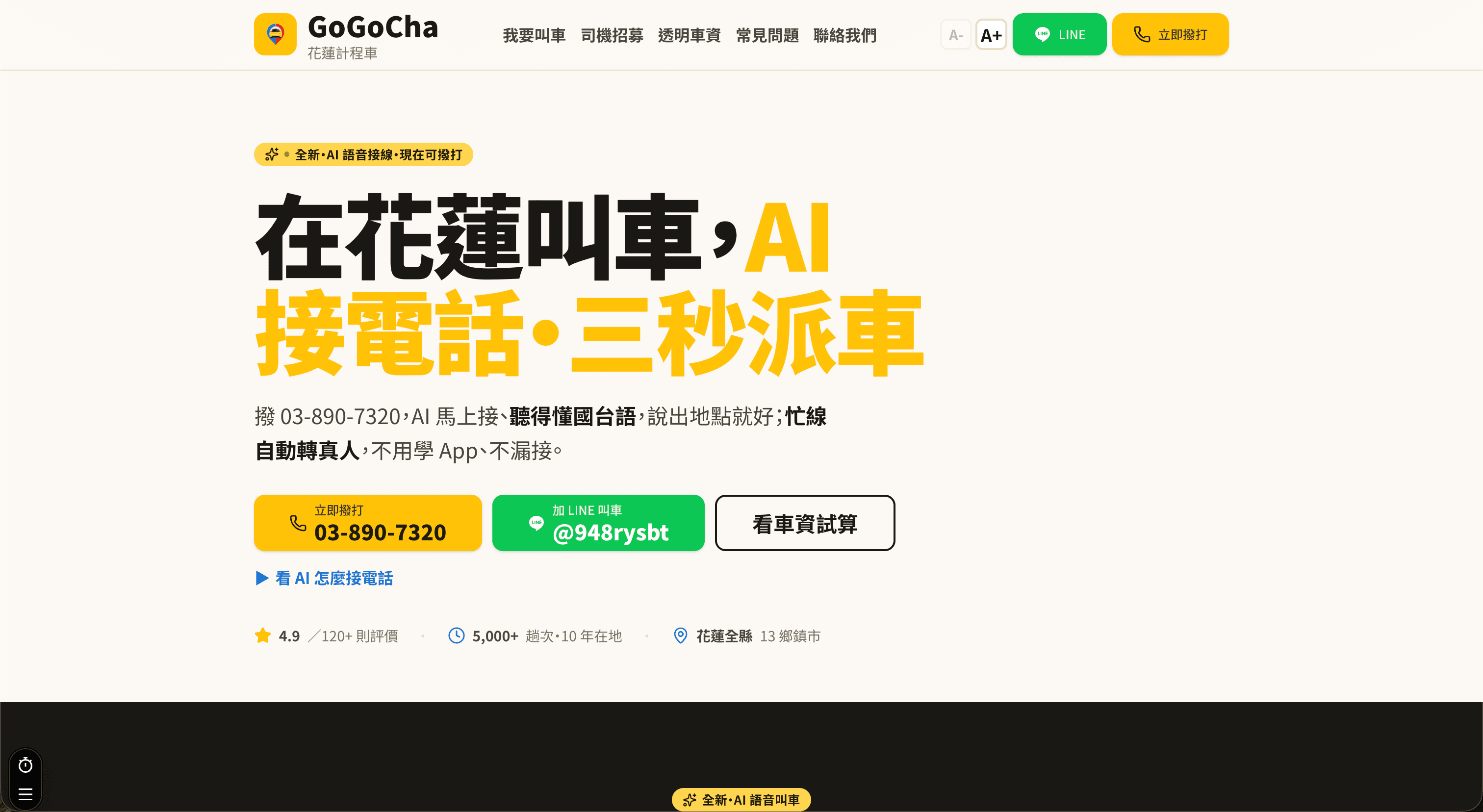
Integrate the brand website, AI call center, instant dispatch, LINE Bot, and driver/passenger app into a single backend system.
Background of the Problem
Older adults, travelers and business customers may request a taxi by phone, website or LINE. If each entry point stores jobs separately, operators must reconcile information across interfaces. This project connects the entry points to a shared dispatch backend so drivers, passengers and operators can check the same job status, while preserving human intervention when information is incomplete.
Implementation Methods
- —The AI phone entry point collects ride details, while the shared backend stores jobs and handles dispatch. Separating conversation from job state lets phone, website and LINE connect to the same operational workflow.
- —Build the instant dispatch backend using Express, PostgreSQL, Redis, BullMQ, and Socket.IO.
- —The website fare calculation should first call a real-time fare API. If the API fails, provide a clear alternative result based on local rules.
- —Design the interface for elderly users with large fonts, voice priority, and high contrast.
Falcon's Actual Scope of Responsibility
- Brand website and fare calculation interface
- AI call center entry and task data structure
- SmartDispatcherV2 – instant dispatch backend
- Integration of LINE Bot, driver/passenger app, and operational backend
Data flow from AI call answering to taxi dispatch
- 01Users can submit ride requests via phone, website, or LINE.
- 02The system collects location, contact, and task information and sends it to the shared dispatch process.
- 03The backend uses PostgreSQL to store status, BullMQ to handle queues, and Redis/Socket.IO for real-time synchronization.
- 04Drivers, passengers, and the operational interface all have access to the same task status.
Limitations, Failures, and Alternatives
- —When AI cannot reliably confirm a location, contact or job detail, a person should verify it. Model guesses must not become actionable dispatch data. This page does not claim that every call can be handled without human assistance.
- —If the website fare API fails, local rules provide a fallback estimate and the interface must disclose its basis and limitations. This estimate does not mean the live fare API succeeded, a ride was booked or a formal quotation was issued.
- —Use queues and real-time communication to handle connections in layers, preventing a single connection failure from resulting in the task being lost.
How to Verify Evidence
- ✓Users can verify phone, website, LINE, and fare calculation entry points through the public brand website.
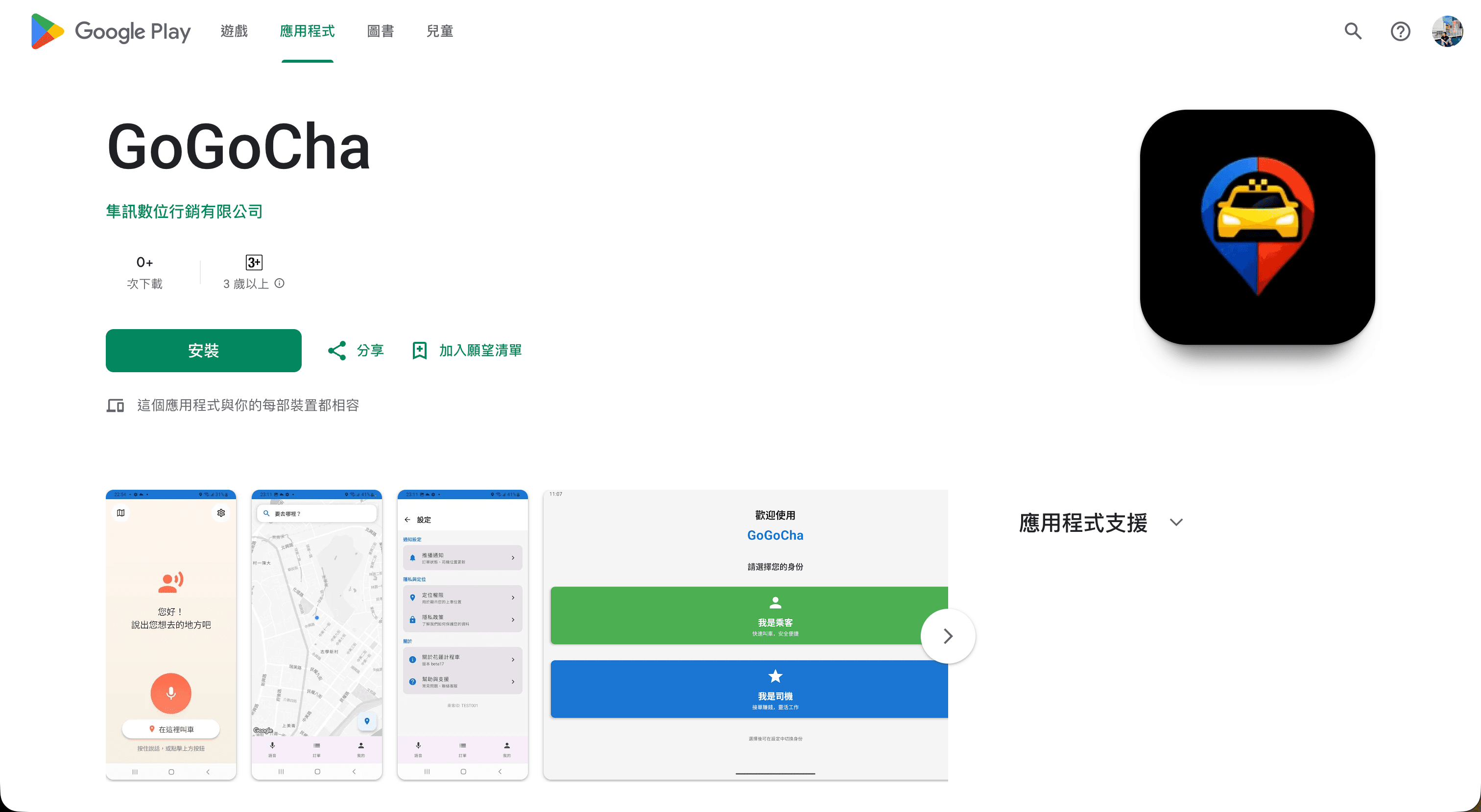
- ✓Use the public app screen and website screen to demonstrate the range of products accessible through different entry points. This does not include private passenger or driver data.
- ✓The technical architecture is based on the actual scope of responsibility for Falcon; it does not disclose operational volume, connection rates, time savings, or formal SLAs.
Publicly Available Measurements and Capabilities
Dispatch product goals
3 seconds
The product functionality goals do not mean that all real ride requests can be accepted by drivers within three seconds.
Verify Public SourcesPrimary entry points
Phone/Website/LINE
The three entry points share a common backend process, covering the system's scope.
Accessibility design
Large font size and high contrast
Based on the publicly available interface functionality, this does not equate to a third-party accessibility certification.
Disclosure and Limitations
This page describes the publicly available product capabilities and the Falcon technical scope; it does not disclose fleet revenue, order volume, time savings, connection rates, or call recordings or call SLAs. "3 seconds" is a product design goal, not a guarantee that every ride request can be accepted by a driver within three seconds.